
UK Casino Payment Methods 2026: Speed, Fees, and What Actually Works
 Available in US
The way you move money into and out of a UK casino account determines more than convenience. Processing speed, fee structures, bonus eligibility, and the regulatory framework governing each method shape the economics of every session. Some methods deliver payouts in under an hour. Others exclude you from welcome offers before you place a bet. Most operators accept Visa debit. None accept credit cards, by law.
This breakdown covers every payment category accepted at UKGC-licensed casinos in 2026: debit cards, e-wallets, mobile payments, bank transfers, open banking solutions, and the offshore crypto alternative. For each method, you’ll see concrete withdrawal times tested at named operators, deposit limits, fee schedules, and which casinos accept it. The credit card ban receives its own section because the regulatory context matters. Minimum deposit tiers get mapped as operator categories. Fast withdrawal casinos are ranked with tested benchmarks, not marketing claims.
The table below aggregates processing times, limits, and costs across every major method. Individual breakdowns follow.
| Payment Method | Deposit Time | Withdrawal Time | Min Deposit | Typical Limits | Fees | Bonus Eligible | KYC Required |
|---|---|---|---|---|---|---|---|
| Visa Debit | Instant | 1-3 days (Visa Direct: 1-4h) | £1-£10 | £5,000-£100,000 | None | Yes | At withdrawal |
| Mastercard Debit | Instant | 1-3 days | £1-£10 | £5,000-£100,000 | None | Yes | At withdrawal |
| Credit Cards | Banned | Banned | N/A | N/A | N/A | N/A | N/A |
| PayPal | Instant | 24h (fastest: 35 min) | £5-£10 | Varies | None to player | Yes | At account level |
| Skrill | Instant | Same-day to 72h | £5-£10 | Up to £40,000 | 1.45% conversion | Often excluded | At account level |
| Neteller | Instant | Same-day | £5-£10 | Up to £40,000 | 1.50% conversion | Often excluded | At account level |
| MuchBetter | Instant | Varies | Selective | Varies | None | Yes | At account level |
| Apple Pay | Instant | Varies (growing) | £1-£10 | Varies | None | Yes | At withdrawal |
| Google Pay | Instant | Varies | £5-£10 | Varies | None | Yes | At withdrawal |
| Boku / Pay by Mobile | Instant | Deposit-only | £5-£40 | £30-£400/month | None | Yes | At withdrawal |
| Bank Transfer (standard) | 1-5 days | 1-5 days | £1-£20 | Varies | None | Yes | At withdrawal |
| Trustly / Pay N Play | Instant | <1h (fastest: 50 min) | £10+ | Varies | None to player | Yes | Instant via bank |
| Cryptocurrency | Minutes | Minutes to hours | Varies | High | Network fees | Varies | Offshore: minimal |
Debit Cards: The UK Casino Standard

Debit cards are the default funding method at UK-licensed casinos. Every operator accepts them. Minimum deposits start at £1. Transactions clear instantly. Withdrawals return to the same card you deposited with, per anti-money-laundering rules enforced by the UKGC. No fees apply at the casino level, though your card issuer might charge for gambling transactions depending on the account terms.
The credit card ban implemented in April 2020 left debit cards as the only card-based option. Visa and Mastercard dominate acceptance. Maestro, once common, is being phased out by Mastercard globally between 2023 and 2027, with UK operators dropping support as the transition progresses.
Visa Debit Cards at UK Casinos
Visa debit is accepted at 100% of UKGC-licensed casinos. Deposits process through the Visa network in seconds. Minimum thresholds range from £1 to £10 depending on the operator. Withdrawal times vary: standard processing takes one to three working days, but operators implementing Visa Direct or Visa Fast Funds technology can deliver payouts in one to four hours. Maximum withdrawal limits per transaction typically range from £5,000 to £100,000, set by the casino rather than Visa.
3D Secure authentication is standard for online transactions, adding a verification layer that requires biometric confirmation or a one-time code from your banking app. Transactions appear on your bank statement as charges to the casino operator. No fees are charged by casinos for Visa debit deposits or withdrawals, though some banks classify gambling transactions as cash advances and apply corresponding charges. Check your account terms. Visa debit deposits always qualify for welcome bonuses, unlike certain e-wallets.
Mastercard Debit: The Alternative Standard
Mastercard debit functions identically to Visa across UK casinos. Near-universal acceptance, instant deposits, one-to-three-day standard withdrawals. Minimum deposits match Visa at £1 to £10. The same 3D Secure verification applies. The same AML rule requiring withdrawals to return to the deposit card. No casino fees. Bonus eligibility intact.
The practical difference between Visa and Mastercard debit at UK casinos has collapsed to near-zero. A handful of smaller operators accept only one network, but the major brands support both. Fast withdrawal implementations using Mastercard’s equivalent to Visa Direct remain less common in the UK casino space as of 2026, so tested sub-hour payouts tend to cite Visa Direct more frequently in operator rollouts.
Maestro Phase-Out: What UK Players Need to Know
Maestro, Mastercard’s legacy debit brand, is being discontinued globally between 2023 and 2027. UK operators are dropping Maestro support as the phase-out timeline advances. If your card displays only the Maestro logo (typically older accounts with building societies or certain high-street banks), you’ll need to request a replacement card with the standard Mastercard branding from your issuer. The replacement will work everywhere Maestro currently does, plus broader acceptance internationally.
Maestro was never as widespread as Visa or standard Mastercard debit at UK casinos, but its elimination affects a subset of players who held these older cards and never upgraded. Check your card’s front. If it says Maestro without the standard Mastercard symbol, contact your bank for a replacement before the phase-out completes.
Can I use a credit card at UK online casinos?
No. The UK Gambling Commission banned credit card use for all gambling transactions on 14 April 2020 under LCCP 5.1. This prohibition applies to every UKGC-licensed operator. Offshore casinos licensed under Curacao or Malta MGA may still accept credit cards from UK players, but playing there means stepping outside UK consumer protections and the GamStop self-exclusion scheme.
The Credit Card Ban: Why You Can’t Use Credit Cards

Credit cards disappeared from UK casino cashiers on 14 April 2020. The UKGC prohibition under Licence Conditions and Codes of Practice section 5.1 targets the harm associated with gambling using borrowed money. The ban applies to direct credit card transactions and extends to e-wallet funding: if you load PayPal with a credit card and attempt to deposit at a UK casino, the transaction will be declined because the source is credit-linked.
What Happened on 14 April 2020
The Gambling Commission announced the credit card ban on 14 January 2020, giving operators three months to implement compliance. The prohibition took effect on 14 April 2020. From that date forward, no UKGC-licensed casino, sportsbook, bingo site, or other gambling operator could accept credit card payments from customers. UK banks simultaneously began blocking gambling transactions on credit cards at the network level, ensuring enforcement beyond operator-level compliance.
The ban was not retroactive. Players who had deposited via credit card before April 2020 were not penalized. Existing balances remained accessible. But new credit card deposits stopped cold. Debit cards, already the more common funding method, became the only card option.
Why the UKGC Banned Credit Cards
The rationale centers on debt-fueled gambling and the associated harm profile. Credit cards allow players to gamble with money they don’t have, increasing the risk of problem gambling behaviors and financial distress. The Commission cited evidence that 22% of online gamblers using credit cards were problem gamblers, compared to lower rates among users of other payment methods. Removing credit access from the transaction eliminates one avenue for players to chase losses with borrowed funds.
The National Centre for Social Research evaluated the ban in 2024, confirming its effectiveness in reducing gambling with borrowed money. No reversal or softening of the prohibition is anticipated as of 2026. The policy remains firmly in place. Search interest for «credit card casino» persists at high levels despite six years of unavailability, indicating either confusion among new players or continued attempts to find workarounds that don’t exist within the UKGC system.
Offshore Alternatives and Their Trade-Offs
Offshore casinos licensed under Curacao eGaming or Malta MGA still accept credit cards from UK players. These operators are not subject to UKGC jurisdiction and are not bound by LCCP 5.1. Playing at offshore casinos is not illegal for UK residents. The Gambling Act 2005 places regulatory obligations on operators, not players. But the trade-off is significant.
Outside the UKGC system, you lose access to UK consumer protections. No GamStop self-exclusion coverage. No UKGC complaints process. No mandatory affordability checks. Dispute resolution runs through the offshore jurisdiction’s regulator, which may or may not respond with the same rigor as the UKGC. If an offshore operator freezes your account or refuses a withdrawal, your recourse is limited. Malta MGA licensing offers stronger oversight than Curacao, but neither matches UKGC protections.
The credit card option at offshore sites comes bundled with these regulatory gaps. Whether that trade-off is acceptable depends on your risk tolerance and whether you value UK regulatory cover more than the ability to deposit with credit.
E-Wallets: Fast, Private, But Watch the Bonus Rules
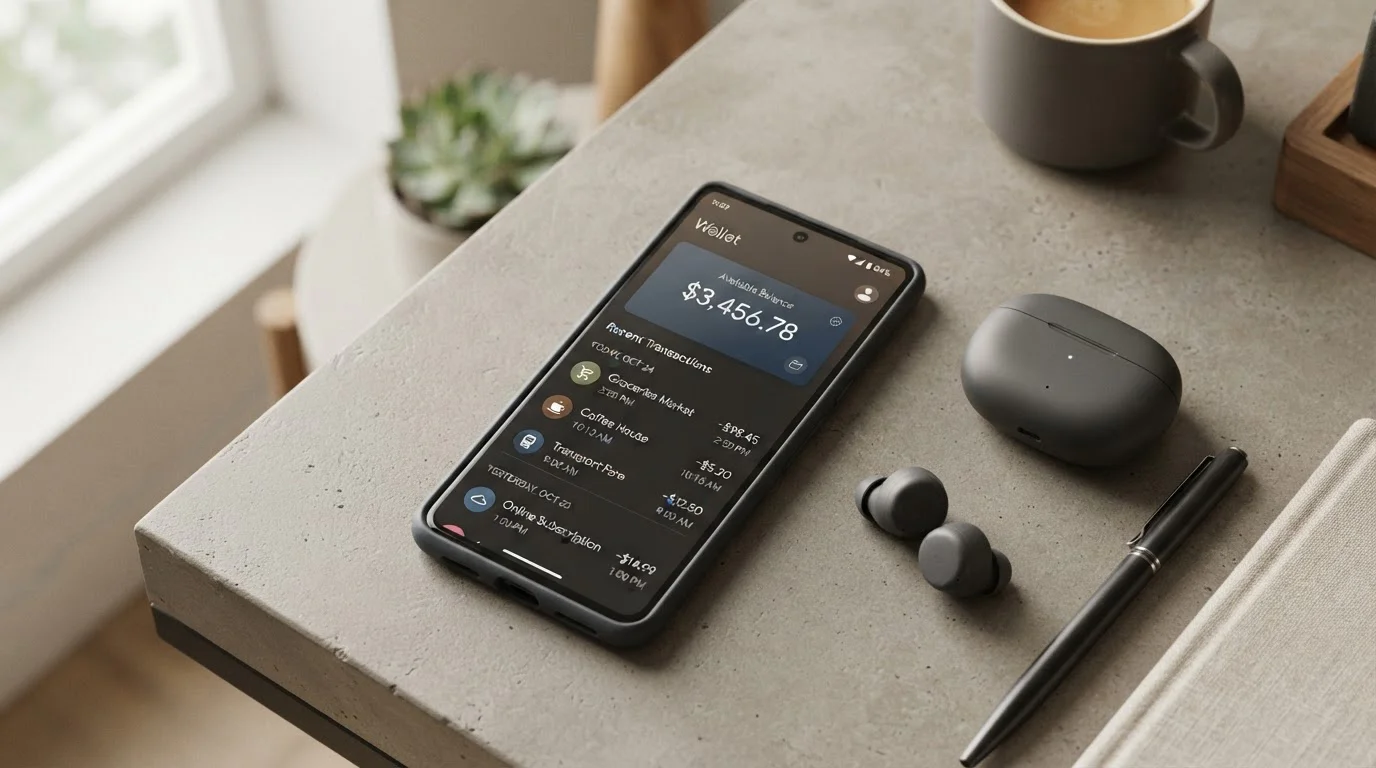
E-wallets function as intermediary accounts that hold funds between your bank and the casino. Deposits from your e-wallet to a casino process instantly. Withdrawals from the casino back to your e-wallet complete faster than direct bank transfers, often within hours. The casino never sees your bank details. Transactions don’t appear on your bank statement, only as transfers to the e-wallet provider.
The catch, increasingly widespread as of 2026, is bonus exclusion. Many UK casinos now exclude Skrill and Neteller deposits from welcome offer eligibility. This policy shift, which gained momentum between 2023 and 2026, targets bonus abuse via e-wallet cycling. PayPal remains largely exempt from exclusions. Smaller e-wallets like MuchBetter and Jeton usually still qualify for bonuses, but operator policies vary and change without notice.
PayPal: The Most Trusted UK Casino E-Wallet
PayPal is accepted at approximately 40 UKGC-licensed casinos as of 2026. Minimum deposits typically range from £5 to £10. Deposits clear instantly. Withdrawal times vary by operator, with the slowest taking up to 72 hours and the fastest delivering payouts in under an hour. Independent testing by Casino.org UK in late 2025 recorded a PayPal withdrawal at Casumo completing in 35 minutes. PokerStars Casino UK rebuilt its PayPal withdrawal infrastructure in late 2025, now processing approved requests in under three hours on average. Grosvenor averages under 3.5 hours.
PayPal charges no fees to players for deposits or withdrawals at UK casinos. Currency conversion, if applicable, costs 3.5% to 4%. The e-wallet must be funded from a debit-linked source; PayPal accounts loaded via credit card cannot be used for UK gambling deposits per UKGC rules. Identity verification happens at the PayPal account level, not separately for each casino. Once your PayPal account is verified, deposits and withdrawals proceed without additional document requests, though casinos may still require KYC before your first payout.
PayPal deposits qualify for welcome bonuses at most UK operators. This distinguishes PayPal from Skrill and Neteller, which face widespread bonus exclusions. The brand carries high-street recognition and trust levels that smaller e-wallets lack. These factors combine to make PayPal the dominant e-wallet at UK casinos, despite a smaller footprint than Skrill or Neteller measured by raw operator count.
Skrill: Fast but Often Excluded from Bonuses
Skrill Limited, owned by Paysafe Group, operates one of the most widely accepted e-wallets in the UK casino market. Deposits are instant. Minimum thresholds sit at £5 to £10. Withdrawal times range from same-day to 72 hours depending on the operator, with testing recording a 45-minute payout at Ladbrokes. Skrill supports multi-currency accounts. The e-wallet charges a 1.45% currency conversion fee and £1 for instant withdrawals from your Skrill account to your personal bank account.
The problem is bonus exclusion. An increasing number of UK casinos exclude Skrill deposits from welcome bonus eligibility. This policy, designed to combat bonus abuse, spread across the market between 2023 and 2026. Players who funded their account via Skrill found themselves ineligible for the advertised welcome offer. The exclusion is not universal—some operators still accept Skrill for bonuses—but the trend is clear and accelerating.
Skrill remains popular despite the bonus restrictions because of withdrawal speed and privacy. Transactions stay off your bank statement. The e-wallet interface is straightforward. If you don’t care about welcome bonuses or plan to play at one of the shrinking set of Skrill-friendly operators, the method still works. Just verify the bonus terms before depositing.
Neteller: High Limits, Same Bonus Problem
Neteller, also owned by Paysafe Group, mirrors Skrill in structure and faces the same bonus exclusion trend. Instant deposits. Minimums at £5 to £10. Same-day withdrawal capability at top operators, with single-transaction limits reaching £40,000 for verified accounts. Currency conversion costs 1.50%. Transactions remain off your bank statement. Identity verification happens at the Neteller account level.
The bonus exclusion applies here too. Most UK casinos now classify Neteller alongside Skrill as ineligible for welcome offers. The two e-wallets share ownership, similar technical infrastructure, and identical reputations for enabling bonus abuse cycling, so operators treat them identically in bonus terms. If a casino excludes Skrill, it almost certainly excludes Neteller.
Neteller’s advantage over Skrill lies in higher single-transaction limits for high-volume players. If you’re moving £20,000 or £40,000 per withdrawal, Neteller handles it more smoothly than most alternatives. For smaller bankrolls where welcome bonuses matter, the exclusion kills the value proposition.
MuchBetter: The Mobile-First E-Wallet
Much Better Limited launched in 2017 and by 2026 has established itself beyond «new wallet» status. The mobile app interface (iOS and Android) centers biometric authentication via Touch ID or Face ID. The account must be verified in your own name. Acceptance at UK casinos is selective rather than universal—SpinYoo and a handful of other operators support it, but PayPal and Skrill appear more frequently in cashier menus.
MuchBetter still qualifies for welcome bonuses at most accepting operators. The smaller footprint means it hasn’t attracted the bonus-exclusion scrutiny that hit Skrill and Neteller. Deposits are instant. Withdrawal times vary by operator. No player-facing fees for standard transactions. The mobile-first design appeals to players who manage their bankroll primarily from a phone and prefer biometric authentication over password entry.
Limited acceptance is the friction. If your preferred casino doesn’t list MuchBetter in the cashier, you’ll need an alternative. But for mobile-focused players at operators that do accept it, the method delivers speed and bonus eligibility without the baggage that now clings to Skrill and Neteller.
Do all UK casinos accept PayPal?
No. Approximately 40 UKGC-licensed casinos accept PayPal as of 2026. This is a significant number but far from universal coverage. Larger operators like bet365, LeoVegas, and Paddy Power support PayPal. Many smaller casinos do not. Before signing up, check the casino’s deposit methods page to confirm PayPal is listed.
Why are Skrill and Neteller often excluded from welcome bonuses?
Bonus abuse. Players would deposit via Skrill at Casino A, claim the bonus, play through the wagering requirement with minimal risk, withdraw to Skrill, then repeat the process at Casino B using the same funds. E-wallets enable this cycling more easily than debit cards because funds move between wallets and casinos instantly without returning to a bank account. Operators responded by excluding Skrill and Neteller from bonus eligibility. The policy became widespread between 2023 and 2026. PayPal is typically still eligible because it’s less commonly used for bonus cycling, though this could change.
Jeton and AstroPay: Niche Alternatives
Jeton Wallet operates with a dual-regulator licensing structure and offers JetonCash, a prepaid voucher option that functions like paysafecard. Acceptance at UK casinos is limited compared to PayPal or Skrill. Deposits are instant and fee-free. Jeton deposits generally still qualify for welcome bonuses, positioning it as a middle-ground alternative between the major e-wallets and prepaid cards. The smaller UK presence means fewer operators list it in cashiers.
AstroPay, a prepaid card and voucher system, exited the UK casino market by 2025. When active, it functioned as a deposit-only method with instant, fee-free transactions that qualified for bonuses. Withdrawals required an alternative method. Paysafecard and MuchBetter are cited as replacements for players who previously used AstroPay. As of 2026, AstroPay has minimal to no presence at UK-licensed casinos.
Mobile Payments: Apple Pay, Google Pay, and Pay by Phone
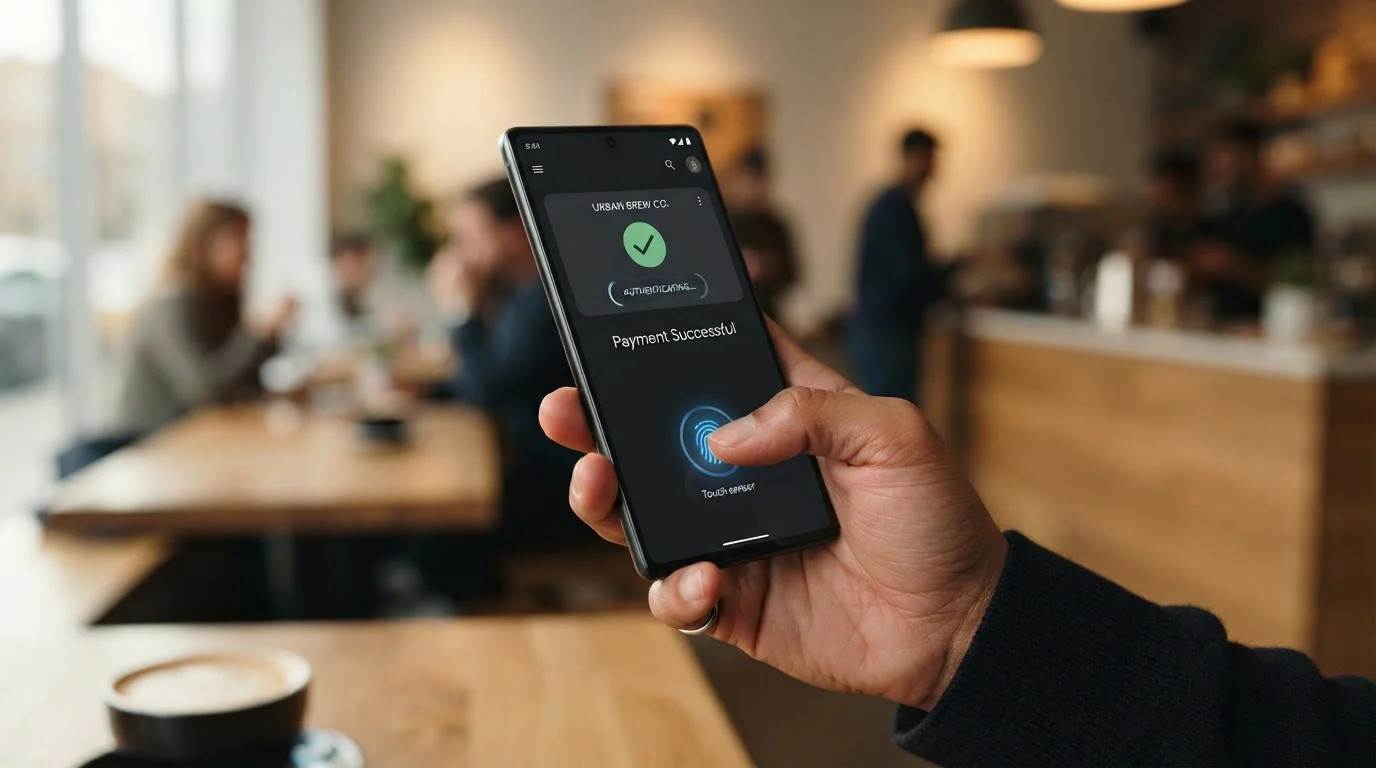
Mobile wallets and phone billing represent the contactless end of the UK casino payment spectrum. Apple Pay and Google Pay use tokenization to keep card details away from the casino. Boku and carrier billing let you charge small deposits directly to your mobile phone bill. All three deposit methods are instant. Withdrawal support varies.
Apple Pay at UK Casinos: Biometric Security Meets Instant Deposits
Apple Pay is accepted at a growing list of UK casinos, including bet365, LeoVegas, BetMGM, and 10Bet. DragonBet permits £1 deposits via Apple Pay, the lowest minimum among major operators. Most others set the floor at £5 to £10. Deposits process instantly. Withdrawal support is less universal but expanding as operators upgrade their cashier systems to handle Apple Pay payouts alongside deposits.
The wallet uses tokenization: your debit card number never reaches the casino; instead, a one-time token authorizes each transaction through the Visa or Mastercard network. Face ID or Touch ID authenticates every payment, adding a biometric security layer beyond standard 3D Secure. The linked card must be a debit card; credit cards are blocked for UK gambling per UKGC rules, enforced by Apple Pay’s transaction screening.
Apple Pay deposits qualify for welcome bonuses at UK casinos. No bonus exclusion policies target mobile wallets the way they hit Skrill and Neteller. Transactions don’t appear on your bank statement as casino charges; they show as Apple Pay transactions, offering a privacy layer similar to e-wallets. The method requires an iPhone, iPad, or Apple Watch with a compatible UK debit card added to the wallet. Android users need Google Pay.
Google Pay: The Android Alternative
Google Pay functions as the Android equivalent to Apple Pay at UK casinos. Tokenization keeps card details private. Instant deposits. Accepted at bet365 with a £5 minimum and at other major UKGC operators. The same debit-only restriction applies: credit cards linked to Google Pay cannot be used for UK gambling deposits. Transactions require biometric or PIN authentication depending on your device settings.
Adoption at UK casinos parallels Apple Pay. Both wallets are gaining traction as operators recognize the demand for mobile-first payment options. Neither faces bonus exclusions. Withdrawal support is growing but not yet universal. Google Pay appeals to the same player profile as Apple Pay—mobile-focused, values biometric convenience, wants card details kept off casino servers—but serves the Android ecosystem.
Boku and Pay by Phone: Small Deposits via Your Mobile Bill
Boku and Payforit (the industry aggregator framework) enable deposits charged directly to your mobile phone bill or deducted from prepaid credit. UK carriers EE, Vodafone, O2, and Three support these transactions through partnerships with Boku and Zimpler. Transaction limits are strict: £5 to £40 per deposit, with a hard £30 cap on Boku single transactions. Daily limits range from £30 to £90 depending on your carrier. Monthly caps sit between £240 and £400.
These limits are harm-reduction features, not technical restrictions. The networks enforce gambling spend caps at the carrier level, functioning as a built-in responsible gambling control separate from UKGC operator-level limits. A single Boku deposit cannot exceed £30 by design. A player trying to deposit £500 in a day will hit the carrier’s daily cap long before reaching that amount. This makes phone billing suitable only for casual or small-bankroll play.
Pay by mobile is deposit-only. You cannot withdraw to your phone bill. Withdrawals require an alternative method like a debit card or e-wallet. The casino never sees your bank or card details; the transaction appears on your phone bill as a third-party charge. Deposits are instant. No KYC verification is required for deposits, though the casino will request documents before your first withdrawal. Phone billing deposits qualify for welcome bonuses at operators that accept them.
The method appeals to players who want to deposit small amounts without entering card details and are comfortable with phone billing appearing on their mobile statement. For larger deposits or serious play, the restrictive limits make phone billing impractical.
Bank Transfers and Open Banking: Direct from Your Account

Traditional bank transfers move money between your bank account and the casino account without intermediaries. Open Banking, introduced under UK regulation in 2018 and mature by 2026, uses bank APIs to enable instant deposits and faster withdrawals through providers like Trustly, Pay by Bank, and Zimpler. The distinction matters: standard bank transfers take one to five days; Open Banking methods process deposits instantly and can deliver withdrawals in under an hour.
Traditional Bank Transfers: Slow but Universal
Standard bank transfers via BACS (Bankers’ Automated Clearing Services) or Faster Payments move funds directly from your bank account to the casino’s account. Minimum deposits range from £1 to £20 depending on the operator. No fees apply at most UK casinos; the casino absorbs transaction costs. Processing times are the trade-off: deposits may take one to five days to clear, though Faster Payments can complete same-day. Withdrawals take one to five days to land in your account after the casino approves the payout.
Bank transfers qualify for welcome bonuses. They require no separate account registration—you authorize the transfer through your online banking portal using your existing bank login credentials. Identity verification happens at the casino level before your first withdrawal. The method is universally available (every casino accepts bank transfers), universally slow, and universally fee-free from the player perspective.
Trustly and Pay N Play: Instant Deposits, No Registration
Trustly Group AB, a Swedish fintech, operates the Pay N Play system that has become an increasingly common feature at UK casinos as of 2026. Instead of creating a casino account separately, you click a deposit button, log in to your bank via Trustly’s interface, and authorize the payment. Your bank account details function as instant identity verification. The deposit clears immediately. Your casino account is created automatically in the background, tied to your bank account. No username, no password, no registration form.
Withdrawals reverse the flow. Trustly-enabled casinos can process payouts back to your bank account in under an hour. Independent testing recorded a 50-minute withdrawal at Betway. Trustly’s own data claims 95% of European payouts complete in under five minutes. UK results vary by operator, but sub-hour withdrawals are the standard at optimized sites. Zero fees to the player; the casino absorbs the ~0.8% transaction cost.
Trustly recently launched Trustly ID, adding biometric authentication via facial recognition or fingerprint in place of repeated bank login screens. The aim is reducing friction for returning players without sacrificing security. Pay N Play has become a UK standard for frictionless onboarding. Players who value speed over account persistence favor this model.
Zimpler: Mobile-Focused Open Banking
Zimpler operates in the same Open Banking space as Trustly but with a mobile-first interface. Deposits are instant. The flow runs through the Zimpler mobile app with SMS verification for transactions. Acceptance at UK casinos is more selective than Trustly’s footprint. Zimpler also powers some pay-by-phone billing solutions alongside Boku, handling both instant bank transfers and carrier billing in one platform.
The mobile optimization appeals to players who manage their bankroll from a smartphone and prefer SMS-based authentication flows. Zimpler is less ubiquitous than Trustly at UK casinos but serves the same Open Banking use case for operators that integrate it.
What is Pay N Play and how does it work at UK casinos?
Pay N Play is Trustly’s frictionless onboarding system. Instead of creating a casino account manually, you authorize a deposit via your bank. Trustly verifies your identity through your bank’s authentication and automatically creates a casino account tied to your bank details. Deposits are instant. Withdrawals can process in under an hour. You never create a username or password. Your bank account is your casino account. Popular at Scandinavian casinos, the model is spreading across UK operators as Open Banking infrastructure matures.
Cryptocurrency: Offshore-Only and the Regulatory Trade-Off

Zero UKGC-licensed casinos accept cryptocurrency. Bitcoin, Ethereum, Litecoin, Dogecoin, Ripple, Solana, Binance Coin, Bitcoin Cash, USDT, and other tokens are available only at offshore operators licensed under Curacao eGaming or Malta MGA. These casinos accept British players and process deposits and withdrawals in crypto rather than pounds. The trade-off is regulatory: playing offshore means stepping outside UKGC protections.
Why No UKGC Casino Accepts Crypto
The UK Gambling Commission has not issued guidance explicitly prohibiting cryptocurrency, but no UKGC-licensed operator accepts it as of 2026. The practical barriers are AML compliance and regulatory clarity. Cryptocurrency transactions are pseudonymous, making source-of-funds verification and player identity tracking more complex than fiat payment methods. UKGC operators are required to conduct strict KYC and AML checks. Crypto’s anonymity conflicts with these obligations.
Offshore operators face lighter AML requirements depending on their license jurisdiction. Curacao eGaming, the most common license among crypto casinos, imposes minimal KYC at deposit but may require identity verification before withdrawal. Malta MGA enforces stricter standards, closer to UKGC levels but still more accommodating of crypto than the Commission. The result: crypto casinos operate outside UK jurisdiction, and UK players who want crypto deposits must play offshore.
Offshore Crypto Casinos: What UK Players Gain and Lose
Offshore crypto casinos deliver speed. Deposits process in minutes once blockchain confirmation completes (one to six confirmations depending on the coin and the operator’s risk policy). Withdrawals land in your wallet in minutes to hours, not days. There are no affordability checks, no GamStop self-exclusion coverage, and often minimal KYC until your first withdrawal. Some operators require only an email address to start playing, deferring identity verification until you try to cash out.
What you lose is UKGC protection. No UK consumer rights. No UKGC complaints process. If an offshore operator freezes your account or refuses a withdrawal, your recourse is limited to the offshore regulator’s dispute resolution, which may or may not respond with the rigor you’d expect from the Commission. No GamStop coverage means you cannot self-exclude across offshore crypto casinos the way you can across UKGC operators. If you have a gambling problem, offshore crypto sites offer no centralized exclusion mechanism.
UK law does not criminalize players for using offshore casinos. The Gambling Act 2005 places obligations on operators, not customers. You will not be prosecuted for depositing Bitcoin at a Curacao-licensed casino. But the regulatory trade-off is real: speed and privacy versus consumer protection and dispute resolution.
Bitcoin, Ethereum, and Altcoins: Which Coins Are Accepted
Bitcoin remains the most widely accepted cryptocurrency at offshore casinos serving UK players. Ethereum is second. Most crypto casinos also accept Litecoin, Bitcoin Cash, USDT (Tether), Dogecoin, Ripple (XRP), and increasingly Solana and Binance Coin (BNB). Deposit minimums vary by coin and operator, typically ranging from the equivalent of £10 to £50 in crypto at the time of deposit. Maximum limits are often higher than fiat methods because blockchain transactions scale more easily than card network approvals.
Transaction speeds depend on blockchain congestion and the operator’s confirmation requirements. Bitcoin can take 10 to 60 minutes for sufficient confirmations. Ethereum and altcoins like Litecoin or Dogecoin often confirm faster, in minutes. Network fees fluctuate with blockchain activity and are paid by the player. USDT, a stablecoin pegged to the US dollar, avoids the volatility of Bitcoin or Ethereum but still requires blockchain confirmation.
Thousands of UK players migrated to offshore crypto casinos in 2026 to bypass UKGC affordability checks, stake limits, and GamStop. The regulatory gap remains: offshore crypto casinos are not illegal for players but offer no UK protections. Malta MGA-licensed crypto casinos (WinWinter, Luckywave, Rivo cited in public coverage) provide stronger oversight than Curacao operators but still sit outside UKGC jurisdiction.
Is it legal to use cryptocurrency at offshore casinos as a UK player?
Yes, in the sense that UK law does not criminalize players for gambling at offshore casinos. The Gambling Act 2005 regulates operators, not players. You will not face legal penalties for depositing Bitcoin at a Curacao or Malta MGA-licensed casino. However, playing offshore means forfeiting UKGC consumer protections, GamStop self-exclusion coverage, and the Commission’s complaints process. The risk is regulatory, not criminal: if something goes wrong, you have limited recourse. Offshore is legal for players but unprotected.
Deposit and Withdrawal Process: How It Actually Works
The mechanics of moving money in and out of a UK casino account follow a consistent pattern regardless of payment method. Deposits are instant for most methods. Withdrawals involve a pending period during which the casino reviews the request, followed by processing through the payment method. KYC verification happens before your first payout. The same-method rule requires withdrawals to return to the source you deposited from.
How to Make Your First Deposit at a UK Casino
Log in to your casino account. Navigate to the cashier or deposit section. Select your payment method from the available options. Enter the deposit amount within the method’s minimum and maximum limits. Authorize the transaction through your payment provider (bank login for Open Banking, biometric confirmation for Apple Pay, card details for debit cards, e-wallet login for PayPal or Skrill). The deposit clears instantly for all methods except traditional bank transfers, which may take one to five days.
Your casino balance updates immediately upon deposit for instant methods. You can start playing without delay. If you’re claiming a welcome bonus, verify the bonus terms before depositing: some methods (Skrill, Neteller) may exclude you from bonus eligibility. Deposit limits are set by the operator and vary by payment method. Minimum deposits range from £1 (DragonBet via debit card or Apple Pay) to £20 (some bank transfer implementations). Maximum single deposits can reach £100,000 at high-limit operators, though most cap individual transactions at £5,000 to £10,000.
The Withdrawal Process: From Request to Bank Account
Request a withdrawal from your casino cashier. Enter the amount within the method’s limits. The request enters a pending period, typically 24 to 72 hours, during which the casino reviews the transaction. If this is your first withdrawal, the pending period includes KYC verification: you’ll be asked to upload a photo ID, proof of address, and potentially proof of payment method (a photo of your debit card with middle digits obscured, or a screenshot of your e-wallet account).
Once the casino approves the withdrawal, processing time depends on your payment method. PayPal and Trustly can deliver payouts in under an hour at optimized operators. Standard debit card withdrawals take one to three working days. E-wallets typically process same-day to 72 hours. Traditional bank transfers take one to five days. Fast withdrawal casinos invest in infrastructure to minimize the casino-side pending period and prioritize instant payout methods in their cashier integration.
KYC Verification: What Documents You’ll Need
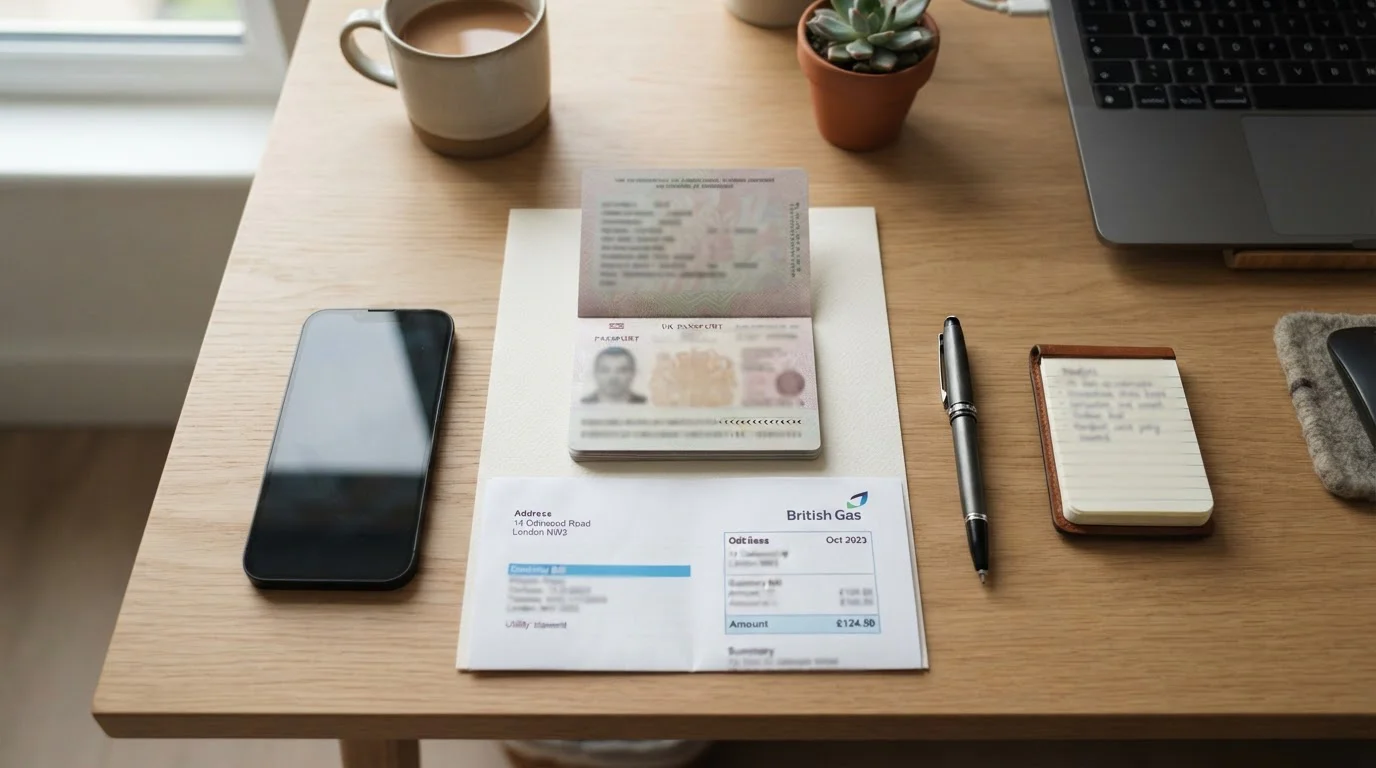
Every UKGC-licensed casino must verify your identity before processing your first withdrawal. This is a regulatory requirement, not an operator preference. You’ll need to provide three categories of documents: proof of identity (passport, driving license, or national ID card), proof of address (utility bill, bank statement, or council tax bill dated within the last three months), and proof of payment method (a photo of your debit card showing the first six and last four digits with the middle numbers obscured, or a screenshot of your e-wallet account profile showing your name and account details).
Upload these documents through the casino’s verification portal, usually accessible from your account settings. The casino reviews them within 24 to 72 hours. Once verified, your account is cleared for withdrawals. You will not need to re-verify for subsequent payouts unless your circumstances change (new address, new payment method, large withdrawal triggering additional source-of-funds checks).
Some payment methods (PayPal, Skrill, Neteller, Apple Pay, Google Pay) handle identity verification at the account level. If your PayPal account is already verified, the casino may accept that as sufficient proof of identity and expedite the withdrawal approval. Trustly and Pay N Play systems verify your identity via your bank login at the point of deposit, enabling faster first withdrawals.
Same-Method Withdrawal Rule: Why You Can’t Mix Methods
UKGC anti-money-laundering rules require withdrawals to return to the same payment method you used for deposits. If you deposited via Visa debit, your withdrawal must go back to that Visa debit card. If you deposited £100 via debit card and £50 via PayPal, your withdrawal is split proportionally: £100 back to the card, £50 back to PayPal.
This rule prevents money laundering schemes where stolen funds are deposited via one method and withdrawn to a different, harder-to-trace method. The exception: if your deposit method doesn’t support withdrawals (Boku, prepaid cards, some e-wallets at certain operators), you can withdraw via an alternative method after the casino verifies it belongs to you. But in standard cases, same-method withdrawal is mandatory.
How long does KYC verification take before I can withdraw?
KYC verification at UKGC-licensed casinos typically takes 24 to 72 hours after you upload the required documents (photo ID, proof of address, proof of payment method). Some operators process verification faster, within hours, especially if you use a payment method with built-in identity verification like PayPal or Trustly. Delays occur if documents are unclear, expired, or don’t match your account details. Upload high-quality, recent documents to avoid rejection and resubmission. Once verified, future withdrawals proceed without additional identity checks unless your circumstances change.
Can I withdraw using a different payment method than I deposited with?
Not in most cases. UKGC anti-money-laundering rules require withdrawals to return to the same payment method you used for deposits. If you deposited via debit card, you must withdraw to that card. If you deposited via PayPal, withdrawals go to PayPal. The exception: if your deposit method doesn’t support withdrawals (Boku, prepaid cards, some one-way e-wallets), you can withdraw via an alternative method after the casino verifies it belongs to you. For mixed deposits (£50 via card, £30 via PayPal), your withdrawal is split proportionally.
Minimum Deposit Casinos: £1, £5, and £10 Entry Points
Deposit minimums segment UK casinos into tiers. The £1 floor is rare and signals an ultra-low entry barrier. The £5 to £10 range is standard across most UKGC operators. Minimum thresholds vary by payment method: debit cards and mobile wallets support the lowest minimums, while e-wallets typically start at £5. Welcome bonuses often require £10 to £20 minimum deposits, so the £1 floor is useful for exploration rather than bonus activation.
£1 Minimum Deposit Casinos: The Lowest Entry Barrier
DragonBet permits £1 deposits via Visa, Mastercard, and Apple Pay. This is the lowest minimum among UKGC-licensed operators as of 2026. A handful of other smaller casinos accept £1 via debit cards or pay-by-mobile methods, but widespread £1 access is not standard. Most operators set the floor at £5 or £10. E-wallets rarely support £1 deposits; PayPal and Skrill minimums sit at £5 to £10.
£1 deposits serve an exploration use case. Players can test a casino’s interface, game selection, and cashier flow without committing a larger amount. Welcome bonuses almost never activate at £1. Terms typically require £10, £20, or £50 minimum deposits to qualify for the bonus. The £1 threshold lets you play real-money games and assess the operator before deciding whether to deposit a larger amount for the bonus.
Withdrawal minimums typically match or slightly exceed deposit minimums. £1 to £5 is common for minimum withdrawals at operators that accept £1 deposits. KYC verification is still required before your first withdrawal regardless of the deposit amount. The January 2026 wagering cap (all bonus wagering requirements capped at 10x the bonus value across UKGC casinos) makes low-deposit exploration more attractive because bonus terms are less punitive when you decide to activate one.
£5 and £10 Deposits: The UK Standard
The £5 to £10 deposit range is the de facto standard across UKGC-licensed casinos. Bet365 sets the minimum at £5 for debit cards, Apple Pay, and Google Pay. LeoVegas requires £10 for Visa, Mastercard, PayPal, and Apple Pay. Paddy Power, William Hill Vegas, Ladbrokes, and Betfred cluster around the £5 to £10 floor. This tier aligns with typical welcome bonus activation thresholds. Most bonuses require a £10 or £20 deposit to trigger.
All major payment methods are available at this tier. Debit cards, PayPal, Skrill, Neteller, Apple Pay, Google Pay, bank transfers, and Trustly all function at £10 minimums. Operators rarely differentiate between payment methods at this level; the £10 floor applies across the cashier. Withdrawal minimums similarly sit at £5 to £10, occasionally lower for e-wallets or debit cards at operator discretion.
The £10 tier balances accessibility with operator viability. A £10 deposit is enough to activate most welcome bonuses, play a reasonable session, and experience the casino’s offering without trivial transaction costs eating into profitability for the operator. It’s the Goldilocks amount: not so low that it attracts pure bonus hunters, not so high that it excludes casual players.
Which Payment Methods Support Low Minimums
Visa and Mastercard debit cards support the lowest deposit minimums, down to £1 at operators like DragonBet. Apple Pay similarly accepts £1 deposits where offered. Pay by mobile (Boku) typically requires £5 to £10 per transaction due to carrier billing minimums. E-wallets (PayPal, Skrill, Neteller) almost always set the floor at £5 or £10; £1 e-wallet deposits are rare to nonexistent.
Bank transfers and Open Banking methods (Trustly, Zimpler) usually require £10+ minimums due to transaction processing costs. The instant bank verification that enables Pay N Play carries a higher per-transaction cost than card processing, so operators set higher floors to maintain margin. For players targeting the absolute lowest entry point, debit cards and Apple Pay offer the best access.
What’s the minimum deposit amount at UK online casinos?
Minimum deposits at UK casinos range from £1 to £20 depending on the operator and payment method. DragonBet accepts £1 via debit cards and Apple Pay. Most major casinos set the floor at £5 to £10 (bet365 at £5, LeoVegas at £10). E-wallets like PayPal and Skrill typically require £5 to £10 minimums. Bank transfers often require £10 to £20. Welcome bonuses usually activate at £10 or £20 minimum deposits, so the £1 tier is better for exploration than bonus hunting.
| Operator | Minimum Deposit | Accepted Methods | Notes |
|---|---|---|---|
| DragonBet | £1 | Visa, Mastercard, Apple Pay | Lowest UK minimum |
| bet365 | £5 | Visa, Mastercard, PayPal, Apple Pay, Google Pay | Standard low tier |
| LeoVegas | £10 | Visa, Mastercard, PayPal, Apple Pay | Bonus activation at £10 |
| Paddy Power | £5 | Visa, Mastercard, PayPal | Welcome bonus £10+ |
| William Hill Vegas | £5 | Visa, Mastercard, PayPal, Apple Pay | Debit cards preferred |
| Ladbrokes | £5 | Visa, Mastercard, PayPal, Skrill | E-wallet support |
| Betfred | £5 | Visa, Mastercard | Card-focused |
Fast Withdrawal Casinos: Get Your Winnings in Hours, Not Days
Withdrawal speed depends on three variables: casino processing time (the pending period before the payout is approved), payment method capability (whether the method supports instant payouts), and operator infrastructure (whether the casino has invested in systems to minimize delays). Fast withdrawal casinos optimize all three. They minimize pending periods, prioritize instant payout methods in their cashier, and build infrastructure to push approved payouts through the payment network immediately.
Tested: The Fastest Payout Operators in 2026
Independent testing by Casino.org UK in late 2025 measured actual withdrawal times at named UK operators using real accounts and real money. PayPal at Casumo completed in 35 minutes from withdrawal request to funds landing in the PayPal account. Trustly at Betway took 50 minutes. Skrill at Ladbrokes processed in 45 minutes. Visa Direct at Casumo delivered in one hour. Grosvenor averaged under 3.5 hours for PayPal withdrawals. PokerStars Casino UK rebuilt its PayPal infrastructure in late 2025 and now processes approved requests in under three hours.
These times assume completed KYC verification. If you’re withdrawing for the first time, add 24 to 72 hours for identity verification. The tested speeds reflect the full cycle: withdrawal request submission to funds available in your payment account. Not «instant approval» followed by three days of payment processing. The entire loop, measured.
Standard debit card withdrawals at these same operators still take one to three working days. Traditional bank transfers take one to five days. The speed advantage comes from pairing instant payout methods (PayPal, Trustly, Skrill, Visa Direct) with optimized operator infrastructure. Operators that haven’t rebuilt their cashier systems to support instant payouts default to the one-to-three-day batch processing cycle even for methods capable of faster settlement.
Which Payment Methods Enable Fast Withdrawals
PayPal, Trustly, Skrill, Neteller, and Visa Direct (also marketed as Visa Fast Funds) are the methods enabling sub-hour to sub-three-hour withdrawals at UK casinos. Apple Pay and Google Pay support fast withdrawals at operators that have implemented mobile wallet payouts, but this is less widespread than PayPal or Trustly as of 2026. Standard Visa and Mastercard debit cards without Visa Direct or equivalent fast-payout technology process withdrawals in one to three working days.
Bank transfers, whether traditional or via Open Banking, fall into two categories. Traditional BACS or Faster Payments transfers take one to five days. Open Banking via Trustly can deliver in under an hour. The distinction is technical implementation: if the casino is using Open Banking APIs through Trustly, payouts are fast; if it’s using standard bank transfer processing, payouts are slow.
Pay by mobile (Boku) doesn’t support withdrawals. Prepaid cards (paysafecard) are deposit-only. Cryptocurrency at offshore casinos processes withdrawals in minutes to hours but requires stepping outside UKGC jurisdiction. For UK-licensed play, PayPal and Trustly are the dominant fast-withdrawal methods.
Why Some Casinos Are Faster Than Others
Infrastructure investment. Fast withdrawal casinos integrate real-time payment APIs (PayPal’s Payout API, Trustly’s Instant Settlement, Visa Direct) directly into their cashier systems. This allows approved withdrawals to trigger automatic payout requests to the payment provider, bypassing manual batch processing. Casinos without this integration still process withdrawals in daily or twice-daily batches, adding delay even for instant-capable methods.
Pending period policies vary by operator. Some casinos hold withdrawal requests for 24 to 72 hours regardless of payment method. This pending period is an operator-imposed buffer during which you can cancel the withdrawal and return the funds to your playing balance. Fast withdrawal casinos either eliminate the pending period entirely (instant approval for verified accounts) or reduce it to hours rather than days.
Volume and staffing matter. Casinos with higher withdrawal volumes and dedicated cashier teams can process approvals faster. Smaller operators with limited staff may only review withdrawals once per day. The result: your PayPal withdrawal sits pending for 24 hours despite PayPal’s technical capability to settle in minutes. Infrastructure alone doesn’t deliver speed if the operator’s internal workflow bottlenecks the approval step.
Which payment method offers the fastest withdrawals at UK casinos?
PayPal and Trustly deliver the fastest tested withdrawals at UK casinos in 2026. PayPal at Casumo was recorded at 35 minutes, PokerStars Casino UK under 3 hours, and Grosvenor under 3.5 hours. Trustly at Betway processed in 50 minutes. Skrill at Ladbrokes completed in 45 minutes. Visa Direct at Casumo took one hour. Standard debit cards without Visa Direct technology take one to three working days. The fastest payouts require both an instant-capable payment method and an operator optimized for speed.
| Operator | Payment Method | Tested Withdrawal Time | Source |
|---|---|---|---|
| Casumo | PayPal | 35 minutes | Casino.org UK (late 2025) |
| Betway | Trustly | 50 minutes | Casino.org UK (late 2025) |
| Ladbrokes | Skrill | 45 minutes | Casino.org UK (late 2025) |
| Casumo | Visa Direct | 1 hour | Casino.org UK (late 2025) |
| Grosvenor | PayPal | Under 3.5 hours | Operator data (2026) |
| PokerStars Casino UK | PayPal | Under 3 hours | Infrastructure rebuilt late 2025 |
Legacy and Unavailable Methods: What Doesn’t Work Anymore
Some of the most common searches in this area are for payment methods that no longer function at UK casinos. Wirecard collapsed in 2020. Click2Pay and ClickandBuy shut down years ago. Interac and Instadebit serve Canadian players, not the UK market. GiroPay is Germany-focused. Bank cheques are obsolete for online transactions. Diners Club has negligible casino acceptance. These methods appear in search queries because players remember them from older casinos or see them listed on outdated affiliate sites.
| Method | Status | Why Unavailable | Alternative |
|---|---|---|---|
| Wirecard | Defunct | Company collapsed in 2020 fraud scandal | PayPal, Skrill, debit cards |
| Click2Pay | Discontinued | Service shut down | PayPal, Neteller |
| ClickandBuy | Discontinued | Service shut down | PayPal, Skrill |
| Citadel | No UK presence | Zero acceptance at UKGC casinos | Trustly, bank transfer |
| Interac | Canada-only | Does not operate in UK | Trustly, Open Banking |
| GiroPay | Germany-focused | Minimal UK casino integration | Trustly, bank transfer |
| Instadebit | Canada-focused | No UK casino acceptance | Trustly, debit cards |
| UPayCard | Discontinued | Service shut down | Paysafecard, MuchBetter |
| Bank cheques | Obsolete | Not supported for online gambling | Bank transfer, debit cards |
| Diners Club | Negligible acceptance | Virtually no UK casino support | Visa, Mastercard debit |
Wirecard’s collapse was spectacular: the German payment processor filed for insolvency in June 2020 after €1.9 billion supposedly held in trust accounts was discovered to be fraudulent. Casinos that had integrated Wirecard scrambled to replace it. The method is dead and will not return. Click2Pay and ClickandBuy served the early online gambling market but shut down as PayPal and Skrill captured the e-wallet niche.
Interac and Instadebit are alive and well in Canada but don’t operate in the UK. Players searching for these methods are either using outdated guides or confusing Canadian casino information with UK market reality. GiroPay serves German online banking; its appearance in UK casino searches likely stems from cross-market content confusion. Bank cheques, once used for mail-order deposits, are incompatible with instant online transactions and have been obsolete for over a decade.
Diners Club is technically still active as a payment network but has near-zero acceptance at UK casinos. Visa and Mastercard dominate card processing agreements; operators see no value in adding Diners Club support for the handful of cardholders who use it. If you hold a Diners Club card, you’ll need a Visa or Mastercard debit card for UK casino deposits.
How to Choose the Right Payment Method for You
Your priority determines the method. Fastest withdrawal: PayPal or Trustly. Lowest deposit minimum: debit card or Apple Pay at £1-entry operators like DragonBet. Privacy: e-wallets or offshore crypto. Mobile convenience: Apple Pay, Google Pay, or Boku. Bonus eligibility: avoid Skrill and Neteller; use debit cards or PayPal. Universal acceptance: Visa or Mastercard debit.
For casual players with small bankrolls, debit cards and pay-by-mobile offer the lowest friction. Deposits are instant, minimums are low, no separate account registration is required. The trade-off is slower withdrawals (one to three days for standard debit cards) and, for Boku, strict transaction limits.
For speed-focused players, PayPal and Trustly deliver tested sub-hour withdrawals at optimized operators. The requirement: play at casinos that have invested in fast withdrawal infrastructure (Casumo, Betway, PokerStars UK, Grosvenor). These methods cost nothing to the player and qualify for welcome bonuses.
For players who value privacy, e-wallets (PayPal, Skrill, Neteller, MuchBetter) keep transactions off your bank statement. Cryptocurrency at offshore casinos offers anonymity but sacrifices UK regulatory protection. The trade-off: Skrill and Neteller face bonus exclusions, and crypto means playing outside the UKGC system.
For mobile-first players, Apple Pay and Google Pay integrate biometric authentication and one-tap deposits. Boku adds phone billing if you prefer small deposits without entering card details. All three qualify for bonuses. Apple Pay and Google Pay are expanding withdrawal support; Boku is deposit-only.
For high-volume players, Neteller’s £40,000 single-transaction limit handles large withdrawals more smoothly than methods capped at £5,000 or £10,000. The bonus exclusion is irrelevant if you’re not chasing welcome offers. Debit cards also support high limits at operator discretion, though casino-side caps often apply before reaching the card network’s ceiling.
Are there any fees for depositing or withdrawing at UK casinos?
Most UK casinos charge no fees for deposits or withdrawals. Debit cards, PayPal, Apple Pay, Google Pay, Trustly, and bank transfers are fee-free to players. E-wallet exceptions: Skrill charges 1.45% for currency conversion and £1 for instant withdrawals from your Skrill account to your bank; Neteller charges 1.50% conversion. These fees are charged by the e-wallet provider, not the casino. Cryptocurrency transactions incur blockchain network fees paid by the player. Always check your payment provider’s fee schedule; some banks classify gambling transactions as cash advances and apply fees at the account level.
The method you choose should match what you need from it. Prioritize speed, cost, privacy, or convenience depending on how you play. No single method optimizes all four. Debit cards offer universal acceptance and low minimums but slower withdrawals. PayPal delivers speed and bonus eligibility but is accepted at only ~40 UK casinos. Crypto offers privacy and offshore speed but removes UK protections. The choice is structural, not trivial.
Casino Deposit Methods UK 2026 — Cards, E-Wallets & Bank
Content created by the «casinopay» team
